Traditional Thai massage is more than a simple spa treatment, it’s a centuries-old healing practice rooted in Thai culture and Buddhist medicine. If you’ve ever wondered “what is a traditional Thai massage?”, you’re not alone. This unique therapy has gained popularity worldwide for its ability to relieve tension, improve flexibility, and promote overall wellness, without the use of oils or a massage table.
In this article, we’ll explain everything you need to know about traditional Thai massage: where it comes from, what happens during a session, its benefits, and how it differs from other styles.
Origins: Where Does Traditional Thai Massage Come From?
Traditional Thai massage, also known as Nuad Thai or Nuad Boran, dates back over 2,500 years. It is believed to have been developed by Shivago Komarpaj, a physician and contemporary of the Buddha. Over time, it evolved through influences from Ayurvedic medicine, Chinese energy meridians, and Buddhist spiritual practices.
Historically, Thai massage was practiced in temples by monks as a form of physical and spiritual healing. In fact, some of the oldest massage schools are still located within temple grounds, such as Wat Pho in Bangkok.
Want to try traditional Thai healing? Visit our Bangkok massage salons and enjoy this ancient therapy in expert hands.
What Happens During a Traditional Thai Massage?
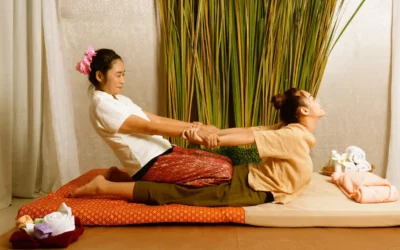
Unlike Swedish or oil massages, traditional Thai massage is performed fully clothed, on a firm floor mat, and involves no oils or creams.
During the session, the therapist guides your body through a series of assisted yoga-like stretches, while applying deep, rhythmic pressure along energy lines, known as Sen lines in Thai medicine. The massage uses palms, thumbs, elbows, knees, and feet to manipulate your body and release blockages.
A typical session lasts from 60 to 120 minutes, and may include:
- Passive yoga stretches
- Acupressure and pressure point stimulation
- Gentle joint mobilization
- Deep breathing and relaxation techniques
The experience is both invigorating and meditative, helping you feel more balanced, relaxed, and flexible.
Key Benefits of Traditional Thai Massage
So, what is a traditional Thai massage good for? Here are some of its proven health benefits:
- Reduces muscle tension and stiffness
- Improves flexibility and range of motion
- Boosts circulation and energy flow
- Eases back, neck, and joint pain
- Enhances relaxation and mental clarity
- Supports posture and body awareness
It’s especially popular among people with sedentary jobs, athletes, and those recovering from stress or chronic tension.
How Is Traditional Thai Massage Different from Other Massages?
| Feature | Traditional Thai Massage | Western/Swedish Massage |
|---|---|---|
| Clothing | Fully clothed | Usually undressed, with oils |
| Surface | Floor mat | Massage table |
| Technique | Stretching + acupressure | Long strokes + kneading |
| Therapist uses | Hands, elbows, knees, feet | Mostly hands and forearms |
| Client involvement | Passive movement involved | Static, relaxed posture |
| Energy concept | Focus on Sen lines (energy) | Focus on muscles and tissues |
Traditional Thai massage is often described as “lazy yoga” because the therapist moves your body into poses that resemble yoga stretches, while you relax and breathe.
Is Traditional Thai Massage Painful?
Not necessarily. While it involves deep pressure and stretching, a skilled therapist will adjust the intensity to suit your comfort and physical condition. Some stretches may feel intense, but they should never be painful. Communication is key, feel free to speak up during the session.
Who Should Try Traditional Thai Massage?
Traditional Thai massage is suitable for most people, especially if you:
- Have tight muscles or limited flexibility
- Experience back, neck, or shoulder tension
- Lead a sedentary or stressful lifestyle
- Want a holistic approach to relaxation and healing
- Are looking for a non-oil, clothed massage experience
Not recommended for:
- Pregnant women (unless with a therapist trained in prenatal massage)
- People with serious injuries, fractures, or certain medical conditions
- Immediately after surgery or with blood clot risk
Immerse yourself in authentic Thai healing, explore our full range of massage services performed by skilled professionals.
Frequently Asked Questions (FAQs)
How long does a traditional Thai massage last?
Typically, sessions last 60 to 120 minutes. Longer sessions allow deeper stretching and full-body energy work.
What should I wear?
Wear loose, comfortable clothing. Most massage centers provide proper attire before the session.
How often should I get a traditional Thai massage?
1–2 times per month is ideal for general wellness. Weekly sessions are great for active individuals or those with chronic tension.
Is it okay to tip in Thailand after a massage?
Yes, tipping is appreciated! Around 50–100 THB at local shops or 10% of the treatment price in spas is a kind gesture.
Final Thoughts: Why You Should Try a Traditional Thai Massage
Now that you know what a traditional Thai massage is, you can understand why it’s so highly regarded around the world. It offers a unique blend of physical therapy, deep relaxation, and energy balancing, all without the need for oils or disrobing.
Whether you’re visiting Thailand or trying it for the first time at a local studio, this ancient healing art offers a rejuvenating experience that reconnects you with your body and breath.
Ready to Try Traditional Thai Massage?
If you’re looking to ease tension, improve flexibility, or just unwind after a long week, traditional Thai massage might be the perfect therapy for you. Find a certified therapist, dress comfortably, and let the journey begin.